Listed Buildings
What is a listed building?
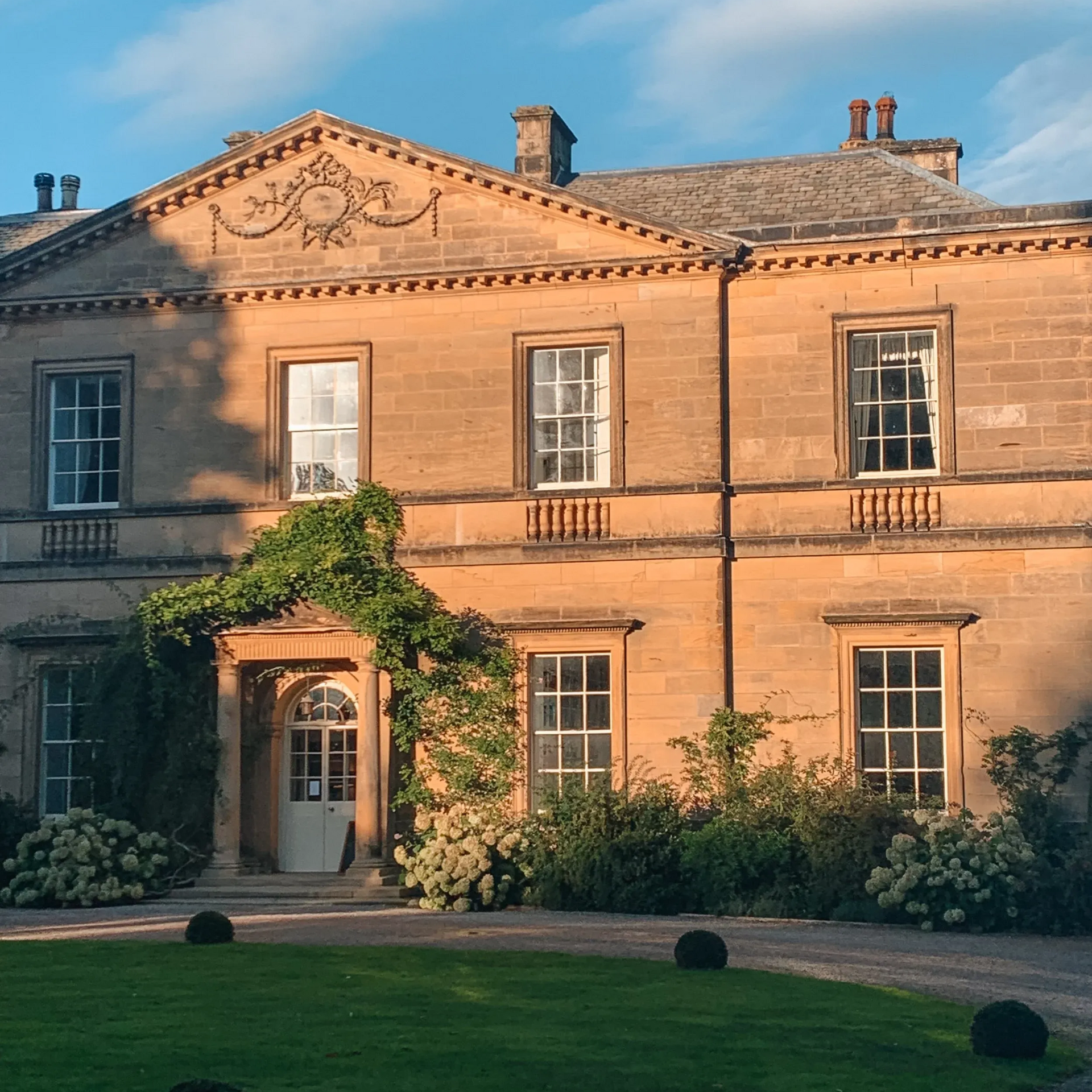
What is a Listed Building?
A “Listed Building” is a building that is formally declared as being of special architectural or historic interest. “Building”, in this case, can mean structures such as market crosses, tomb stones, gate piers etc., as well as more conventional buildings. The “List” is effectively a register, identifying the buildings that have been “Listed” and is open to public inspection – the list may be inspected at the Planning and Development department of your local Council during their normal hours.
The purpose of the “List” is to identify buildings of special architectural or historic interest to make sure that their special interest is taken fully into account in decisions affecting their future, in order to preserve our heritage for future generations.
Who chooses which buildings should be “Listed”?
Central Government, the Department for Culture, Media and Sport (DCMS), decide which buildings are to be “Listed” based upon a set of nationally applied criteria, which take into account age, architectural form and historic interest. The majority of buildings that are “Listed” date from before 1840, though more, modern buildings, include C20th, can also be “Listed”, particularly the works of principal architects and buildings of outstanding quality.
Classification of Listed Buildings
Listed Buildings are classified in grades which reflect their relative importance in national terms as follows:-
Grade I
Buildings of exceptional quality and interest (only about 2% of Listed Buildings fall within this Grade), e.g. Richmond Castle.
Grade II*
Buildings of more than special interest (about 4% of Listed Buildings fall within this Grade), including buildings designed by prominent architects e.g. Middleton Lodge, designed by John Carr.
Grade II
Buildings of special interest, often reflecting the local vernacular style. As you may have gathered, these make up the majority of all Listed Buildings, approximately 94% of the List.
Most buildings on the statutory “List” were selected as part of a national re-survey carried out in this District during the 1980’s. There may be some buildings that were overlooked, or new information has become available affecting the decision whether to “List”. These buildings may be “spot listed” and added to the “List”.
Can you appeal against the Listing of a building?
Although there is no statutory right of appeal against “Listing”, you can apply to the Department of National Heritage if you feel that the building does not possess special architectural or historic interest. However, the Secretary of State will rarely agree to de-list a building and will only take into account its special architectural or historic interest.
How much of the building is Listed?
Very simply, all of it, both inside and outside, although some parts of the building may be more important than others. Anything fixed to the building is also “Listed”. There is a belief amongst some people that the exterior of a Listed building is more important than the interior, this is not the case.
Any building or structure (including free standing buildings or structures), within the grounds (curtilage), which was there before 1948 is also “Listed”.
The description in the official “List” is not intended to provide an inventory of all the features of importance, but simply a means of identifying the building.
What affect does this “Listed” status have on the building?
Any building which is “Listed” is given special protection and must not be demolished, extended or altered (internally or externally), in any way which affects its character, unless Listed Building Consent has first been granted.
This is an additional control to Planning Permission and applications should be made to the District Council using special Listed Building Consent Forms.
You are strongly recommended to discuss any proposals for alteration, extension or demolition (part or whole) of a Listed Building with the District Council’s Planning and Development Unit before any work is carried out. They will help you determine whether or not Listed Building Consent is required.
It is an offence to demolish (in part or whole), alter or extend a Listed Building without Listed Building Consent.
The penalties for this offence can be heavy, including fines or imprisonment.
Can Listed Buildings be demolished, altered or extended?
Yes. The fact that a building is “Listed” does not place an embargo on change, but there is a strong presumption in favour of preservation, and you will be required to justify any changes. It is also important to remember that Listed Building Consent (where required) must be obtained before you carry out any such work.
Demolition:
As the objective behind the “Listing” is to identify buildings worthy of preservation, consent for the partial or total demolition of a Listed Building will only be given in exceptional circumstances.
Alterations and extensions:
Many Listed Buildings can sustain some degree of alteration or extension, though the extent to which such changes can be accommodated will vary according to the quality and sensitivity of the building. You will need to justify any changes and design them carefully so as not to de-value the special architectural or historic interest of the building.
It is very important to understand that even quite minor works or changes can require Listed Building Consent. Always check with the District Council’s Planning and Development Unit before carrying out any work to a Listed Building.
What about maintenance?
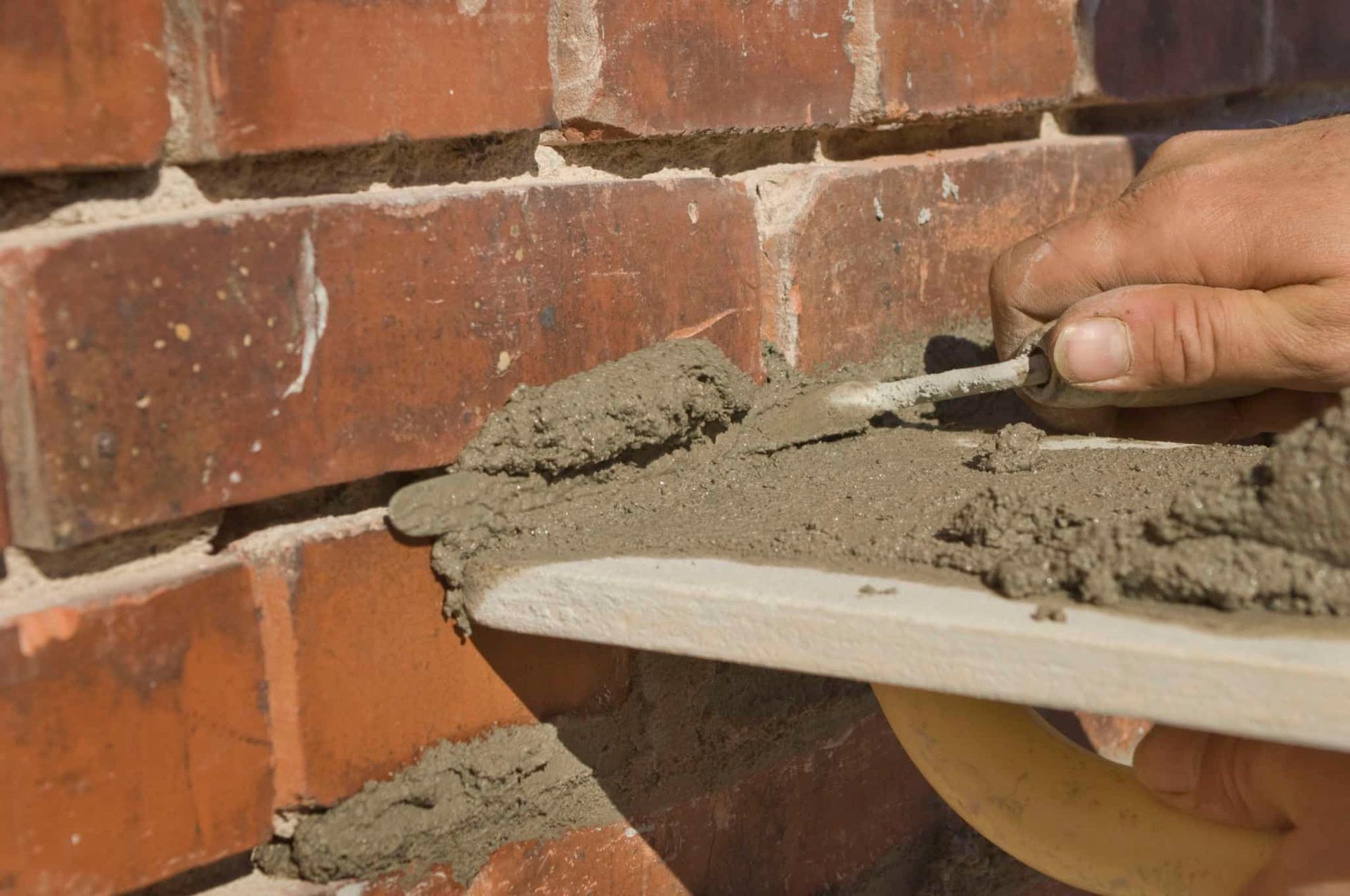
Most buildings will require some maintenance and repair from time to time. This is no different for “Listed Buildings”, though the degree of care and attention to detail in carrying out repairs is likely to be greater. Repair rather than renewal is favoured, with the aim being to retain as much of the historic fabric as possible.
In many cases, minor repair and maintenance work using materials and detailing which match the original, can be carried out without the need for Listed Building Consent.
However, we advise you to check with the District Council’s Planning and Development Unit before you carry out any work.
What if I let my building fall into disrepair?
Owners have a responsibility to look after Listed Buildings properly and regular maintenance can prevent serious problems from arising. If, unfortunately, a Listed Building is allowed to fall into serious disrepair, the District Council can take action against the owners. It must be stressed that this form of action is only used as a last resort and the District Council would try to encourage an owner to carry out repairs on a voluntary basis, offering practical and technical advice if required.
In those cases, where formal action is required, the Council could service a Repairs Notice on the owners specifying that work needs to be done and by a given date.
If the owner fails to comply with the terms of the Repair Notice within the period specified, the Council may compulsorily repair the property (owners have a right of appeal against this action).
Where a Listed Building is unoccupied and neglected, the District Council can serve an Urgent Works Notice, carry out work themselves and reclaim the cost from the owner (again there are rights of appeal).
Are Grants available to help with repairs?
Limited discretionary Grants are available from the District Council to help owners tackle structural repairs as well as from other sources, for example, English Heritage. It is important to note that these Grants focus on essential structural repair and not maintenance or decoration.
For expert advice and surveying services contact:
Cowie Consulting Limited
Telephone: 01325 480424
Email: info@cowieconsulting.net
Helpful Guides and News